
Star Trek, Strippers, and Student Matinees
Plus: “Okay, I *was* going to bring up lesbian Othello…”
This newsletter has footnotes.1 If you prefer not to scroll down, click on the email headline to read in-browser and they will appear when you click on them. I use open access and gift links whenever possible, however you may still encounter paywalls. There are options. If you enjoy this newsletter, please share it and consider pledging a future subscription.
Quick Links
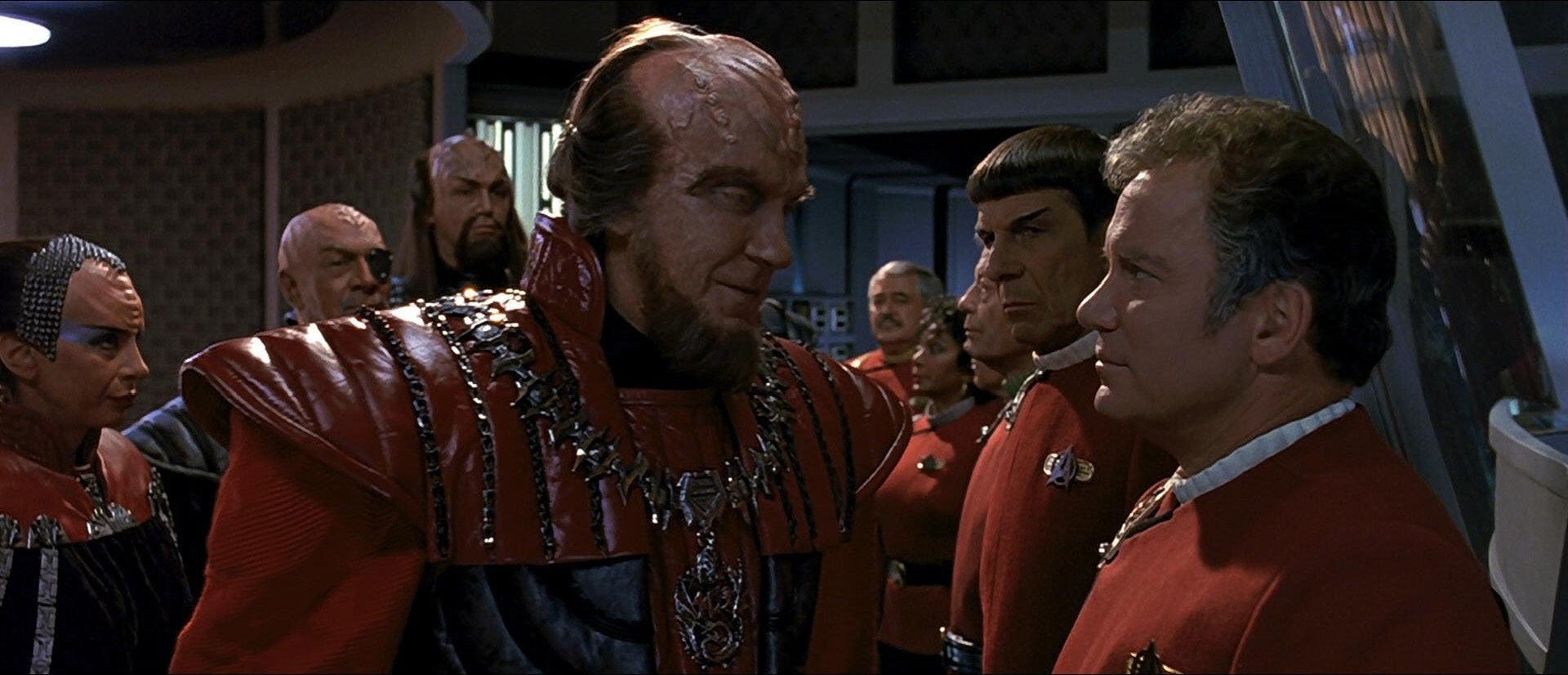
Shakespeare in the original Klingon + Patrick Stewart does the sonnets.
Margaret Qualley as Juliet2 and Millepied’s “Romeo and Juliet Suite.”
Guess the Shakespeare Play from the Translated Title: Money Talks in a World in which Cherry Blossoms are in Bloom.
Shakespeare in the Paston letters: inheriting Sir John Fastolf’s castle, fighting Jack Cade and chopping Suffolk’s head off. via The Cultural Tutor.
How can you not love an Ophelia mad scene that lasts an entire act? (TIMOTHÉE)
If an actor is playing more than one role, consider telling them. via Ben Broadribb
When god gives you two sets of twins, make a Comedy. (more / streaming)
At one point, during the “Now might I do it” soliloquy, Hamlet consulted the crowd…High young voices bayed for Claudius’s blood — We’ve considered the theological ramifications and you should go for it! is what I think they were screaming — but Hamlet eventually talked them around.
The Brits call the “Hokey Pokey” the “Hokey Cokey”?! (Oh yes, and some Rosalind thoughts.)
Pete Townshend asked Steven Burkov for his autograph. (Burkov wrote a one man show about Shakespeare’s villains. No, not that one. The other one.)
“At the time, I was one of three people employed in British theatres who had the title ‘dramaturg’. The other two were Paul Sirett at the RSC…” via Exeunt
Alfred Enoch on Henry V. (more)
…if you’re standing outside a town and threatening violence, and the people inside think you’re just talking, what’s the point?
Farah Karim-Cooper on academic publishing:
…aside from the students assigned my essays and books, there were probably only about 12 people who would read them.
“How much narrative clarity do we want or need from Shakespeare?” via Natasha Tripney.
Joanne Freeman on Martha Andresen’s Shakespeare class. (more)
Podcast Sidebar
Hilary Mantel’s Reith lectures (from Middle Temple Hall)
I loved Shakespeare and I began reading Shakespeare very early, and I knew it was very important to me but I don’t understand why I didn’t elect to study it because I could very happily have spent my life that way. But I think it was only when I came to Stratford on that trip that I realized that there were people who spent their whole lives studying Shakespeare.
Ada Palmer and Jo Walton on director Jane Howell and the BBC History Plays.
Ethan Hawke on losing his place in Henry IV after seeing Tom Stoppard in the audience.
Gary Parr on Julius Caesar, his 10th grade English teacher, and the Parr Prize for Excellence in Teaching Shakespeare.
Julia Quinn was in All’s Well in high school but still needs to see/read Hamlet.
Ronan Hatfull on drolls on the Reduced Shakespeare podcast.5
“Okay, I was going to bring up lesbian Othello…” via Marks & Vincentelli.
Recommendations
The dark Satanic Mill and “Surprise beef in notebook!” via Londonist
UK folks can donate (800+ year old) family papers instead of paying tax.
If you thought Apollinaire’s shell ring was neat, check out Napoleon’s cannonball scarab.
Like this one.
This framing isn’t wildly legible, but sure.
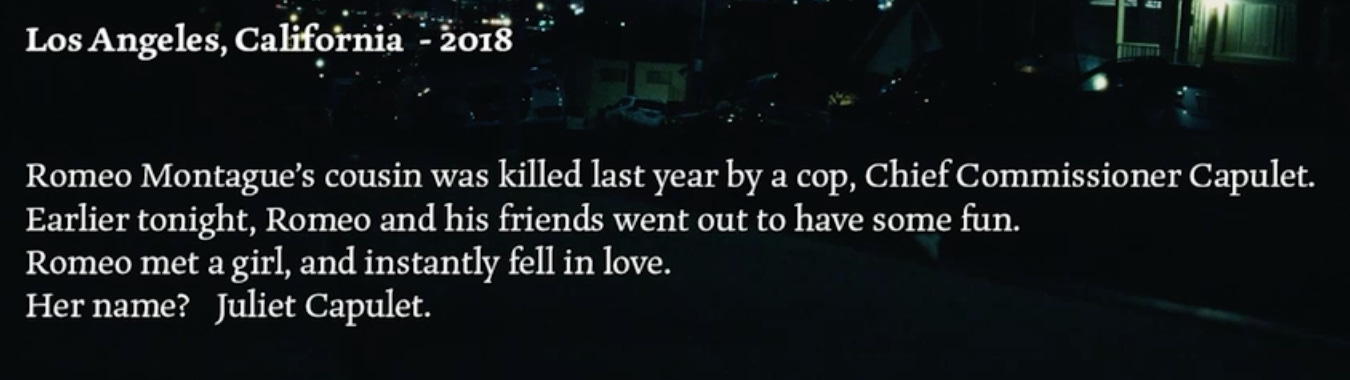
Love this:
In “Hamlet,” stagehands dressed as ghosts, in white robes with lace masks over their faces, and the audience collectively assumed that they were invisible factotums as they moved furniture around. We usually think of Hamlet as the haunted character, but, in one awful moment, a suicidal Ophelia (Charence Higgins) looked at one of these “helpers” and actually saw it beckoning to her.
Meg Miroshnik’s play The Droll is excellent, read Aili’s thoughts.
This post convinced me to buy League of Livestream Theater tix to Actor’s Theatre of
Louisville COMEDY OF ERRORS. I’ve never seen real siblings, much less twins, play any of the many sibling roles in Shakespeare.